


Decarbonizing Cardinal
FG Float Glass

At Cardinal FG Company, quality float glass and environmental responsibility go hand in hand. Our seven U.S. float glass facilities already operate with industry- leading emissions controls and are permitted as minor sources for NOx, SOx, and particulate matter (PM) emissions.

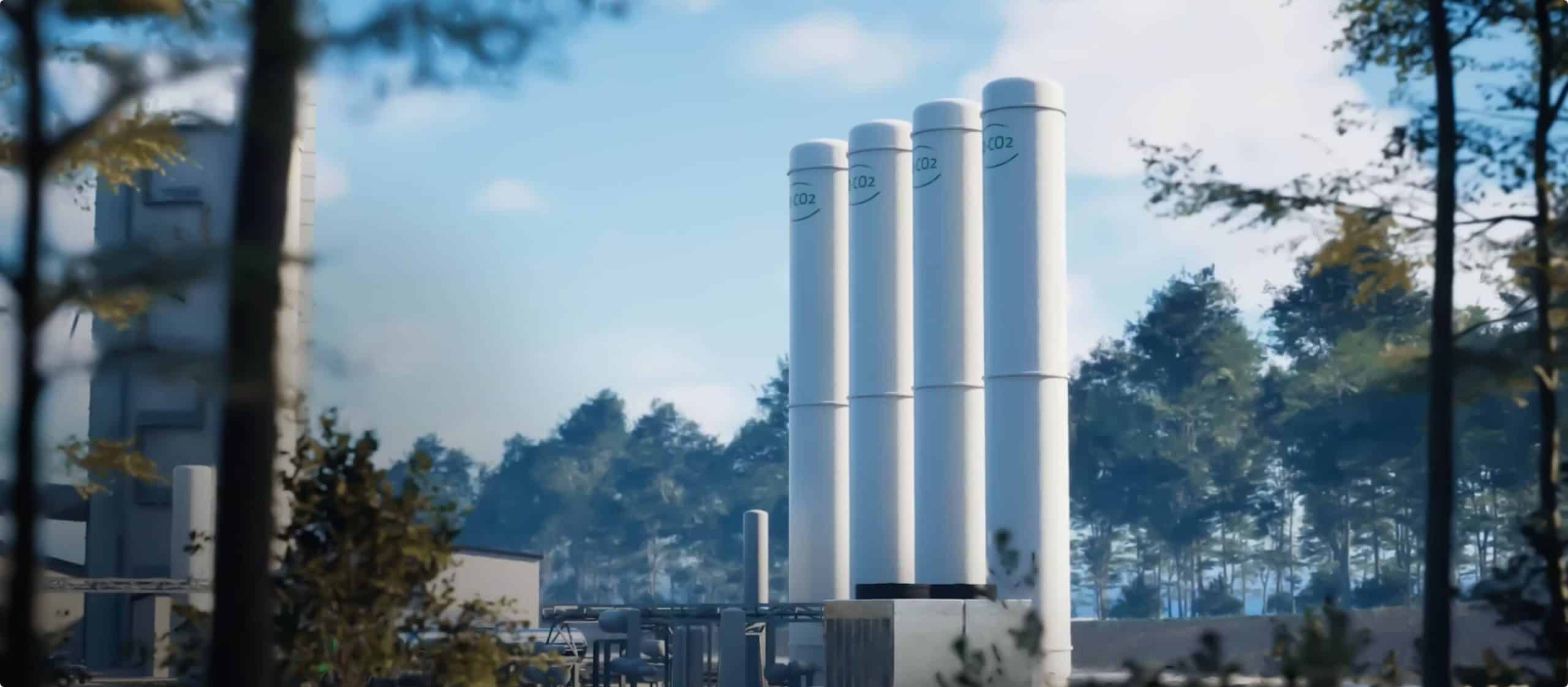
Now, through a pioneering partnership with K2-CO₂ of Padova, Italy and licensor Giammarco Technologies, we are taking the next step by deploying CO₂ capture technology designed to remove up to 95% of process CO₂ emissions from participating float glass lines.

Why decarbonizing float glass matters

The impact of float glass manufacturing

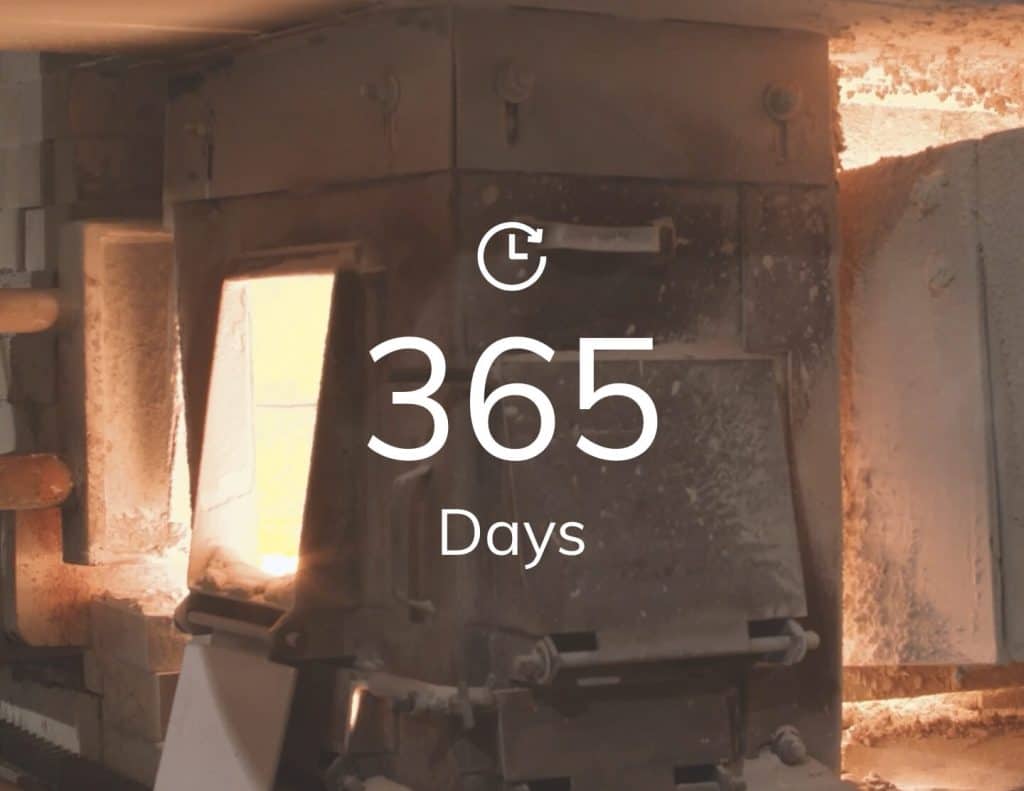
Float glass manufacturing is energy intensive. Cardinal FG’s large-scale furnaces run 24 hours a day, 365 days a year, with each plant occupying more than 350,000 square feet and consuming substantial natural gas and electricity to keep glass in a continuous molten state at temperatures of around 2,700°F (about 1,500°C).

This energy use is what makes float glass possible, but it also generates CO₂. Reducing those emissions at the source is one of the most powerful ways we can lower the embodied carbon of the windows and doors that use our glass.

From efficiency to decarbonization

For decades, Cardinal has focused on:

CO₂ capture is the next logical step: moving beyond “less impact” to actively removing CO₂ from our float glass production.

Our partnership with K2-CO₂
and Giammarco Technologies

Industry-first collaboration

Cardinal Glass Industries is working with K2-CO₂, a global leader in CO₂ capture systems based in Padova, Italy, and its licensor Giammarco Technologies, to integrate large-scale CO₂ capture into float glass operations.

Completed years of joint research, engineering studies and technology evaluation focused on float glass furnaces.

Designed & engineered systems that are tailored for Cardinal float glass production profile and high-volume operations.

Initiated deployment of CO₂ capture at our float glass plants, with the goal of setting a new benchmark for decarbonized glass.

Designed for up to
95% CO₂ capture

The K2-CO₂ solution is engineered to capture up to 95% of CO₂ in targeted process streams associated with float glass manufacturing.

Unlike approaches that focus primarily on the energy needed to melt glass, K2-CO₂ also addresses CO₂ released from the decomposition of raw materials that go into the glass itself. While specific system layouts vary by plant, our objective remains the same: dramatically reduce the volume of CO₂ released to the atmosphere while maintaining the reliability and consistency our customers depend on.

What the numbers mean in the real world

CO₂ capture, in “tree” terms

Up to 95% CO₂ captured…

 At targeted float glass lines

… means more than 1.6 million trees’
worth of carbon captured.

Per system, 10-year equivalent

To put the impact in perspective, the annual CO₂ captured by a single K2-CO₂ system at a Cardinal FG facility is greater than the amount of carbon that would be sequestered by planting approximately 1.6 million trees and growing them for a decade.

This comparison offers a tangible way to visualize the scale of the reduction, especially for architects, builders, and homeowners who are working to lower the carbon footprint of their projects.

Benefits for customers and projects

For our OEM window and door manufacturers, builders, and design partners, this initiative helps:

Lower embodied carbon of glazing systems that incorporate Cardinal float glass.

Support sustainability goals and green building programs that increasingly focus on upstream manufacturing emissions.

Strengthen their own environmental narratives with a verifiable story of decarbonized glass sourcing.

Building on minor source status
and emissions leadership

Beyond NOx and SOx

Cardinal FG’s float glass plants have invested heavily in emissions controls, with the goal, and now the achievement, of minor source status for regulated pollutants across our float operations.

Significantly reduced NOx, SOx, and particular matter (PM) emissions compared to conventional float glass baselines.

A consistent compliance record across multiple U.S. plants.

An established culture of environmental stewardship within Cardinal FG.

Adding carbon capture to the stack

CO₂ capture now adds another layer of environmental performance on top of existing controls. The result is a float glass operation that targets:

2004

Emissions controls and furnace modernization

2012

Minor source status achieved at float plants

2025

CO₂ capture deployment with K2-CO

Innovation for the next
generation of LoĒ™ glass

Cardinal is widely recognized as a leading producer of LoĒ, our energy-efficient coated glass products used in high performance windows and doors.

By pairing those products with decarbonized manufacturing, we aim to:

Help customers meet stricter energy codes and carbon-focused regulations.

Provide a clearer link between operational energy savings (on the building side) and embodied carbon reductions (on the manufacturing side).

Keep Cardinal at the forefront of glass technology and environmental responsibility.

What’s next: roadmap and
transparency

Rolling out CO₂ capture across float glass plants

Over time, Cardinal plans to:

1.

Expand CO₂ capture systems to additional float glass lines based on performance data and plant-specific engineering.

2.

Continue refining processes to balance energy use, glass quality, and capture efficiency.

3.

Explore opportunities to integrate captured CO₂ into approved sequestration or beneficial-use pathways

Sharing progress with the market

We will track and share our progress through:

1.

Updates to Environmental Product Declarations (EPDs) as process changes are validated and incorporated.

2.

Technical resources for OEMs, architects, and specifiers who need to document embodied carbon in their projects.

To learn how Cardinal FG’s decarbonized float glass can support your next project, contact your Cardinal representative or our technical services team.